Luxury Greenhouses
UK, Ireland, Europe & North America
Luxury Greenhouses
Hampton’s luxury greenhouses are built to last and crafted to inspire – spaces where plants flourish and people feel at home.
Design with Purpose
Rooted in classical principles of symmetry and proportion, every Hampton greenhouse reflects a commitment to architectural integrity, delivering timeless beauty alongside everyday function.
Designed for the discerning homeowner and horticulturist, Hampton’s luxury greenhouses revive classical proportions, authentic materials, and enduring quality, setting a new benchmark in greenhouse design.
Hampton Greenhouses
Configure your greenhouse
Useful information
Click on the headings below to expand and read more information
What sets Hampton luxury greenhouses apart?
The greenhouse market has settled. We haven’t. At Hampton, our intention is clear: to offer what the market has failed to deliver.
Luxury shouldn’t settle for aluminium. Most greenhouses are built for convenience, not legacy. Aluminium frames are often designed to look like wood, and while easy to mass-produce, they lack warmth and authenticity. At Hampton, we build differently. Our craft is in real hardwood where it matters, and aluminium where it performs best. Rooted in Victorian detail and guided by classical proportion, every detail has a purpose. Quietly exceptional. Unmistakably Hampton.
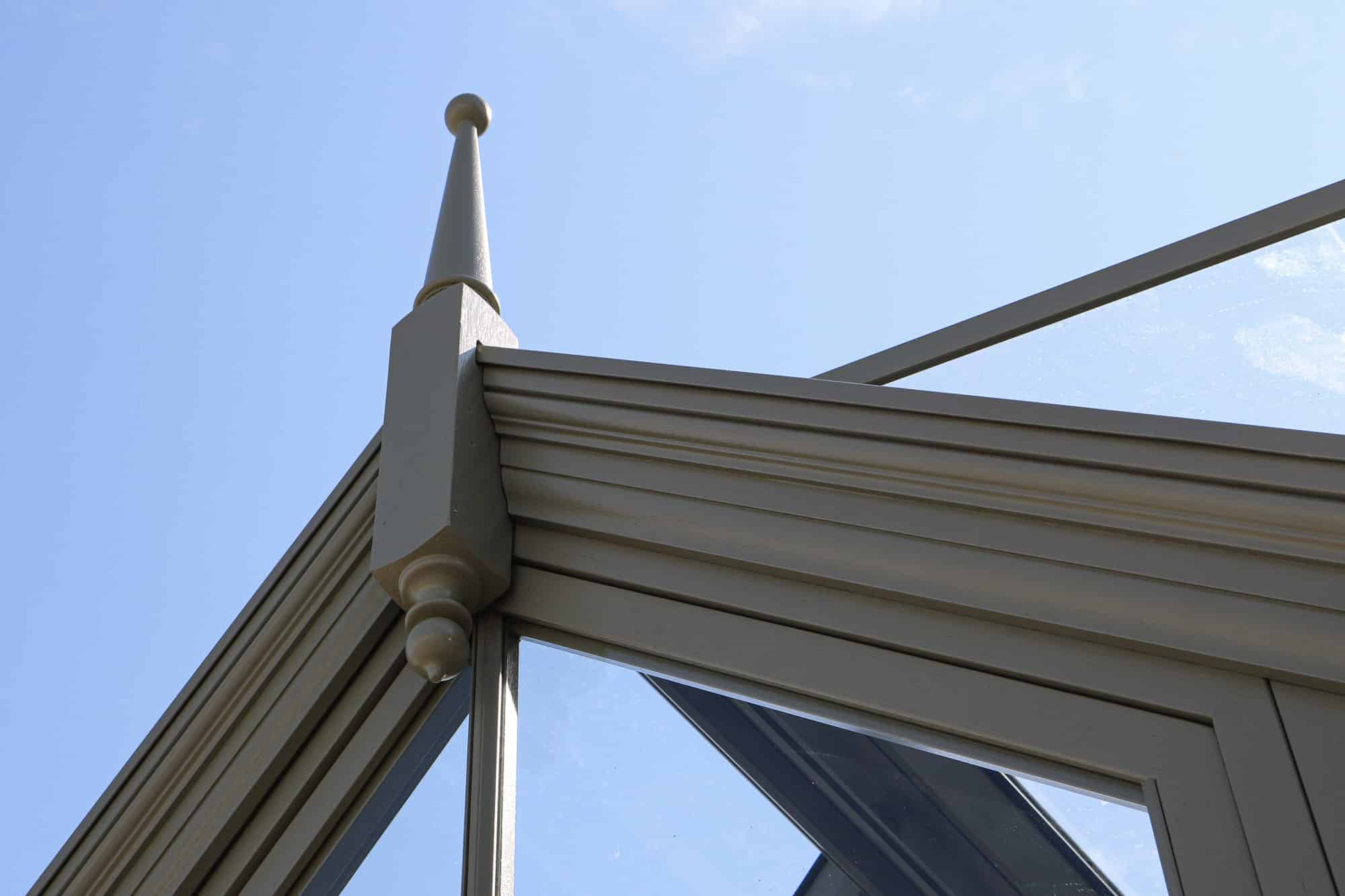
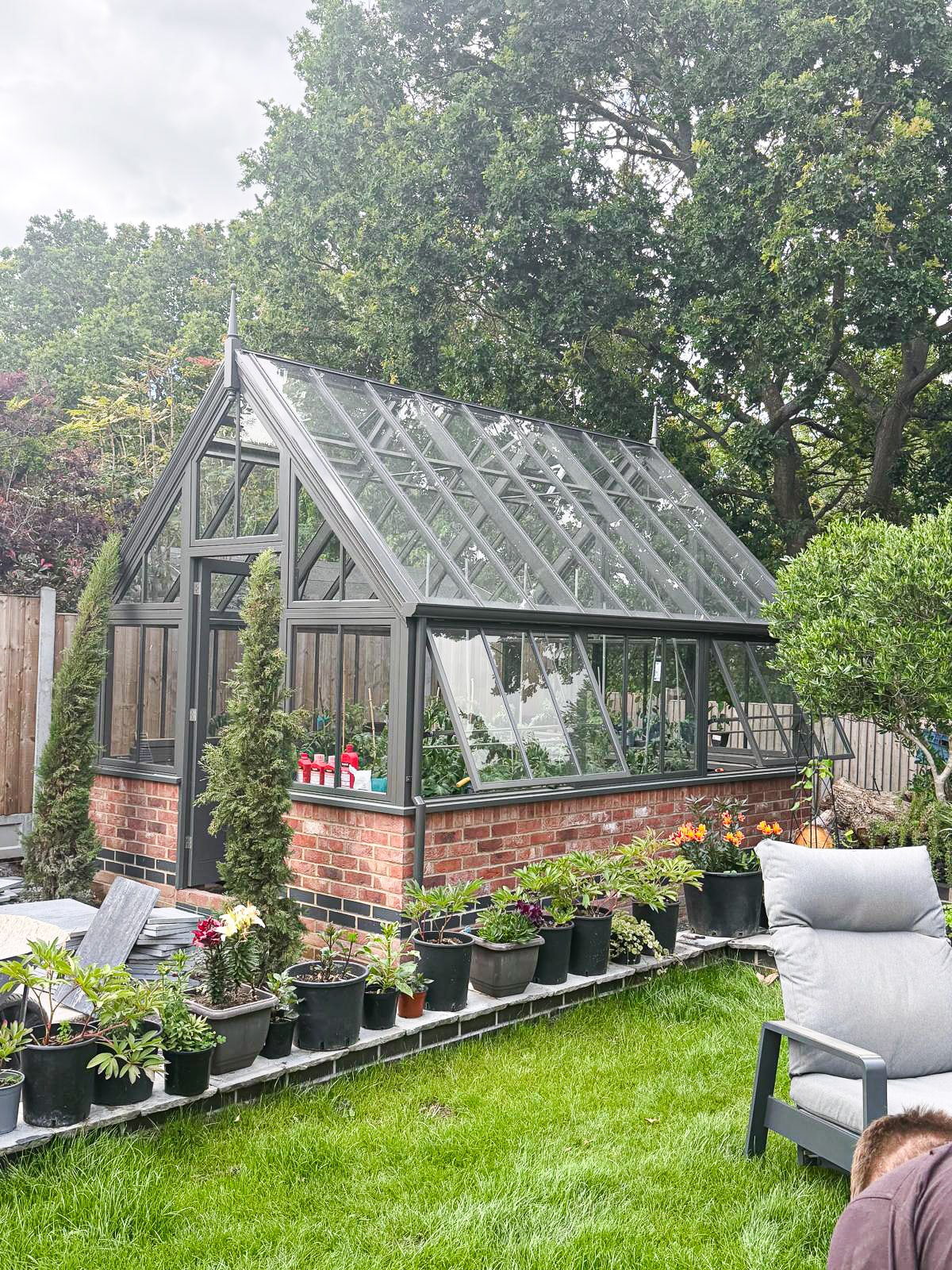
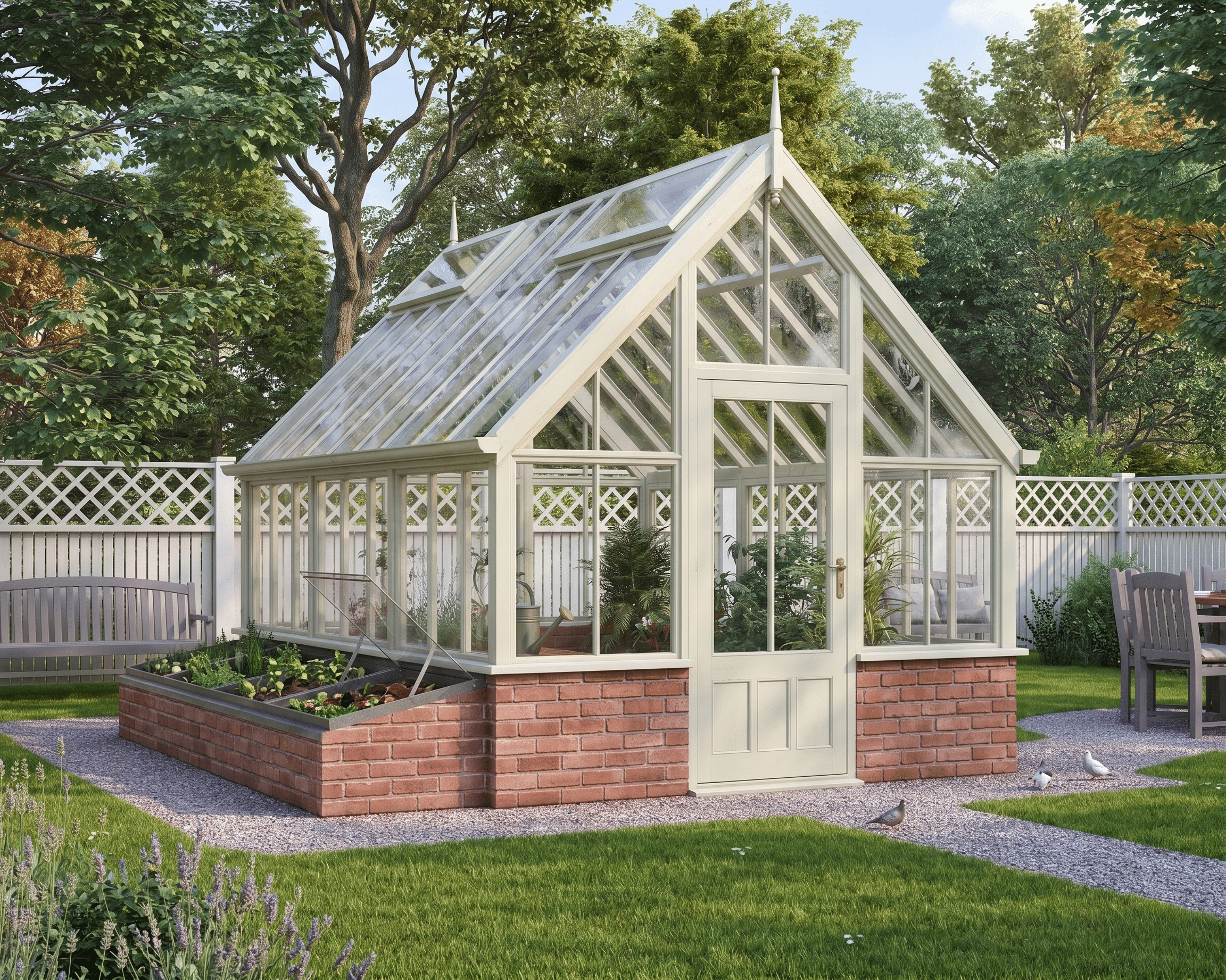
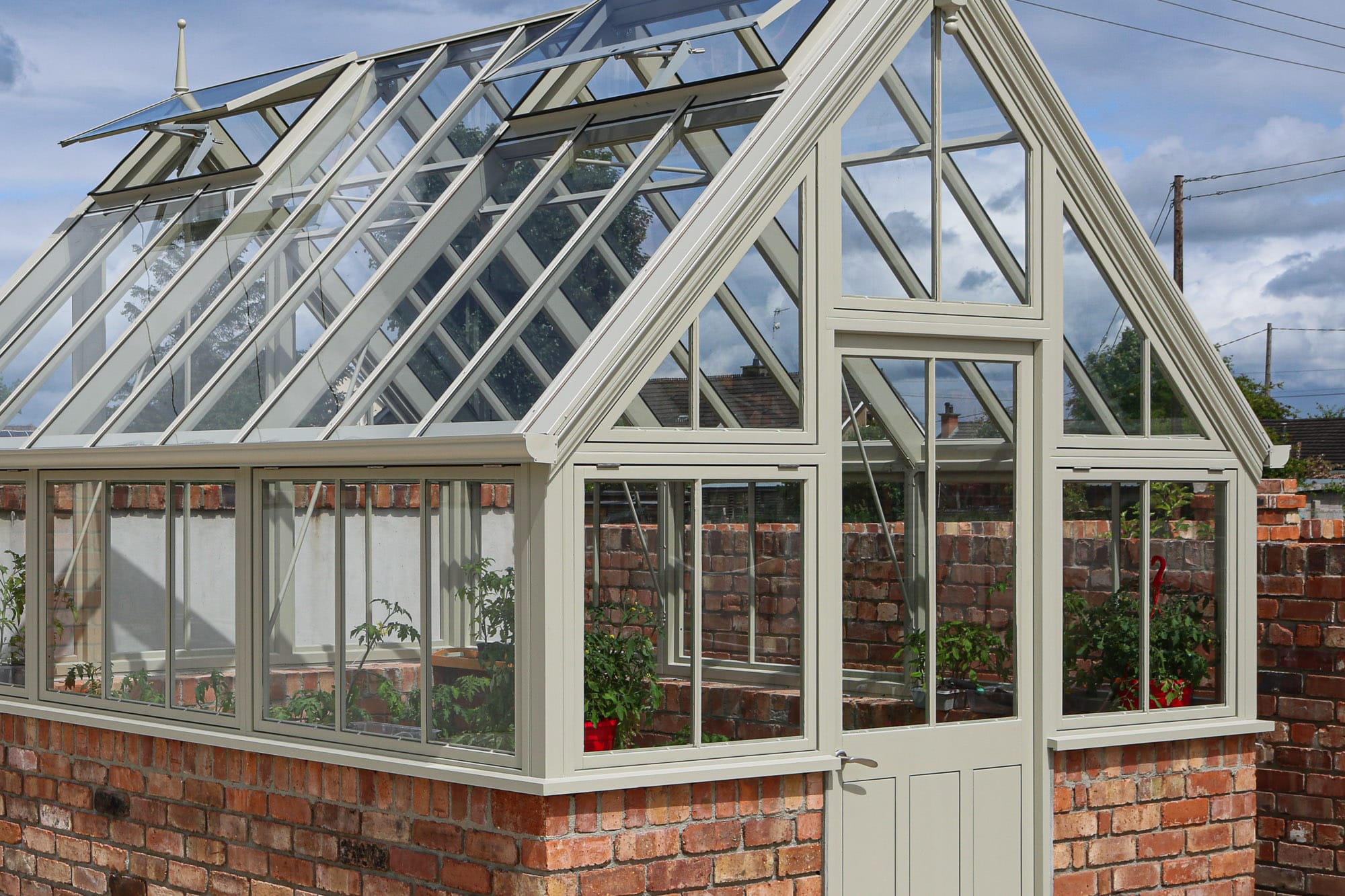
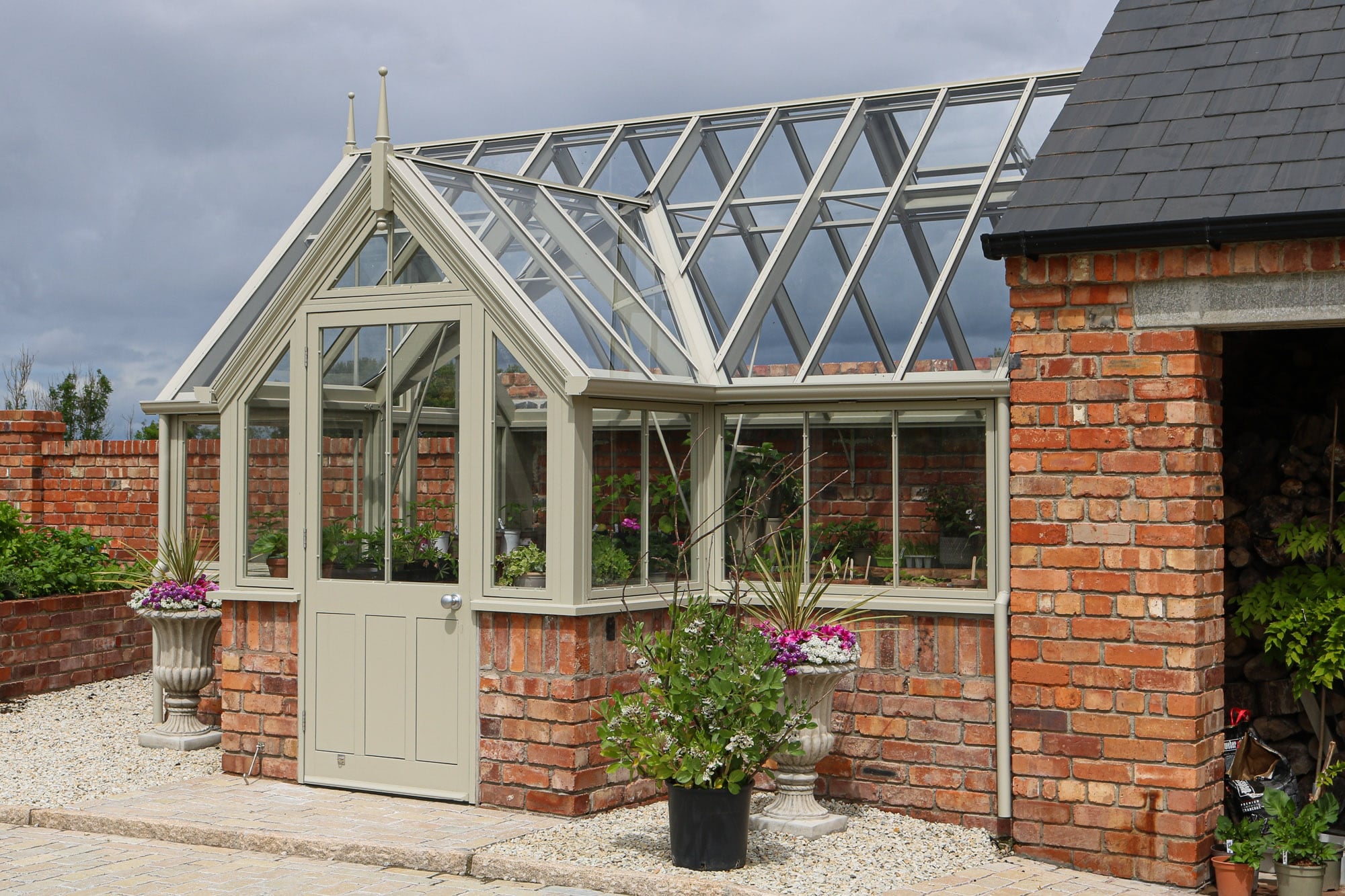
Our four unique luxury timber greenhouse designs, The Causeway, The Balmoral, The Dunluce, and The Strangford, draw on traditional Victorian greenhouse proportions and profile detailing. Precision-engineered aluminium components are utilised only where performance demands it, such as in our ridge, gutters, and roof ventilation systems, designed to perfectly complement the timber, both in performance and appearance. Additionally, Hampton’s signature fleur-de-lis metal side and ridge bracing avoid the use of industrial portal frame construction, which is typically used in the industry and limits the aesthetics of the greenhouse.
This is about balance: craftsmanship where it shows, engineering where it counts.
Is timber a suitable material for a greenhouse?
For over 40 years, Hampton has been synonymous with bespoke timber orangeries and conservatories. Now, we bring that same expertise to the world of luxury greenhouses, crafting four signature styles designed to inspire, endure, and elevate any garden.
Every Hampton greenhouse is crafted from thermally modified, Class 1 hardwood, renowned for its strength, stability, and rich, walnut-like grain. While the timber is tested to last over 25 years untreated, we recommend one of our six heritage paint finishes, each applied using Hampton ToughCoat™ – a two-part, water-based, chemically bonded coating that seals out moisture, blocks UV, and offers exceptional durability.
For those who prefer a natural finish, the timber can be left untreated or sealed with a clear lacquer to highlight its walnut-like grain, though this option offers reduced protection compared to our ToughCoat™ system.
Hampton brings four decades of craftsmanship, from orangeries to greenhouses. Experience true luxury with a greenhouse built from the finest timber, protected by Hampton ToughCoat™.
Which Hampton greenhouse is best?
Each of our four unique models has been designed with distinct strengths to suit different style preferences, spatial constraints, and growing ambitions. The “best” Hampton greenhouse for you is one that meets your needs and preferences.
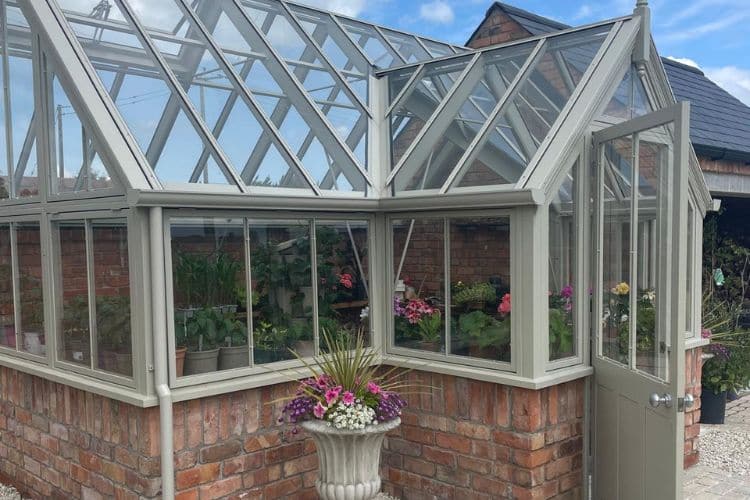
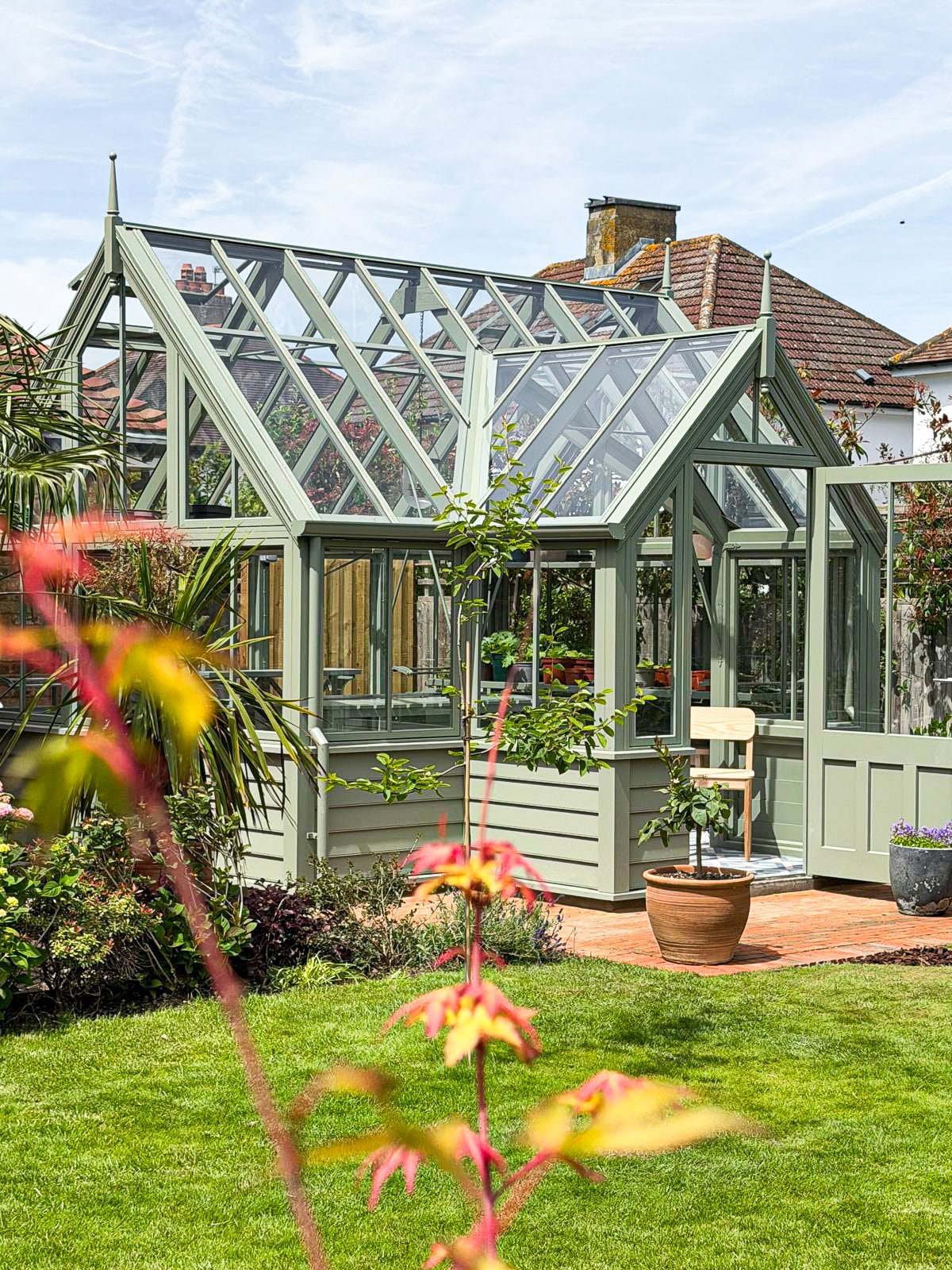
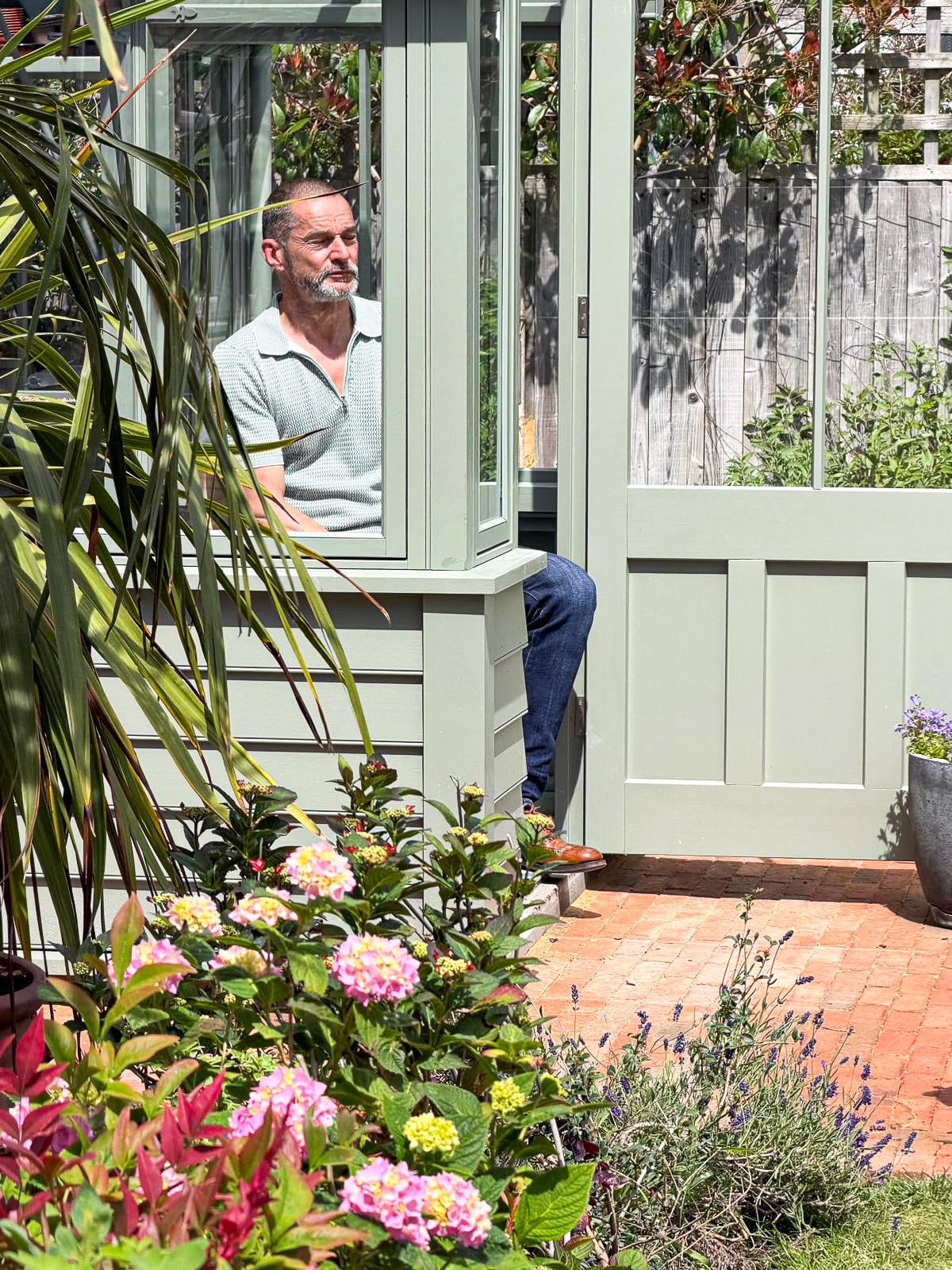
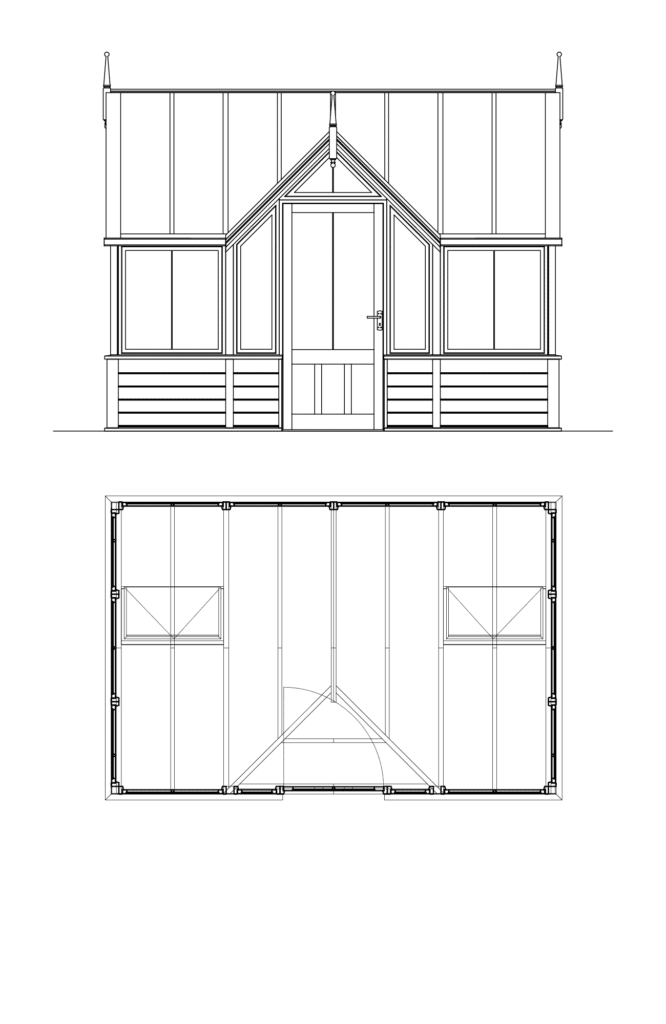
- The Causeway, our flagship design with its projecting gable-fronted pavilion, makes a bold architectural statement. It’s a structure that anchors the landscape, making it the ideal choice for those who want their greenhouse to serve as a focal point in the garden.
- The Balmoral offers a more understated elegance with a flush gable front. It sits beautifully against existing garden walls or boundaries, ideal when a more compact footprint is required without compromising on growing area.
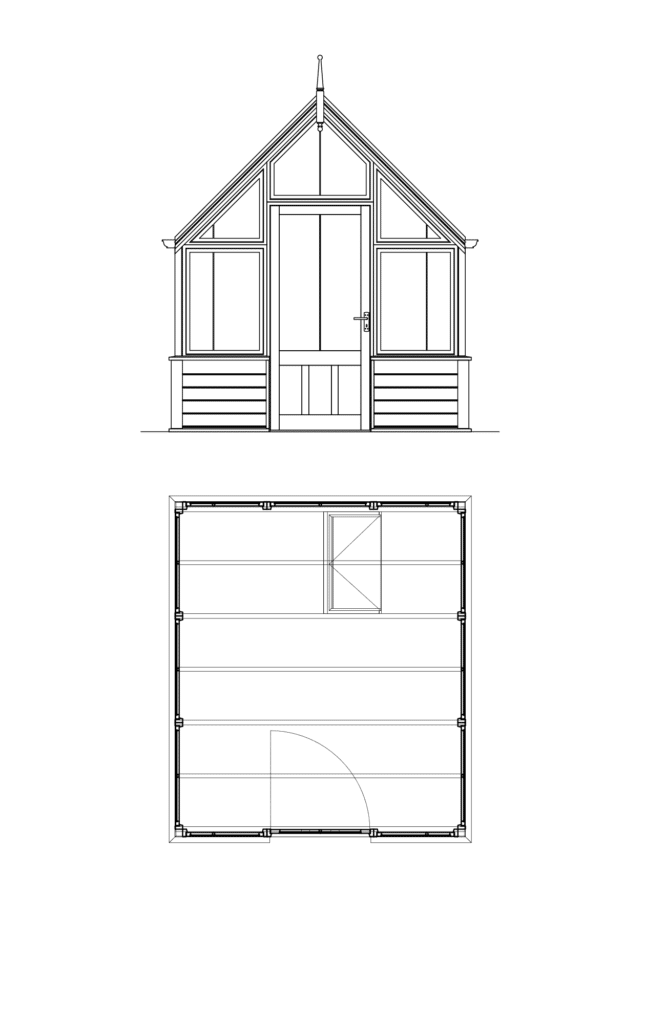
- The Dunluce, our gable-ended design, is symmetrical in form, offering excellent light distribution from all sides. It’s particularly well-suited for central positioning within a garden, or to those prioritising internal functionality over external embellishment.
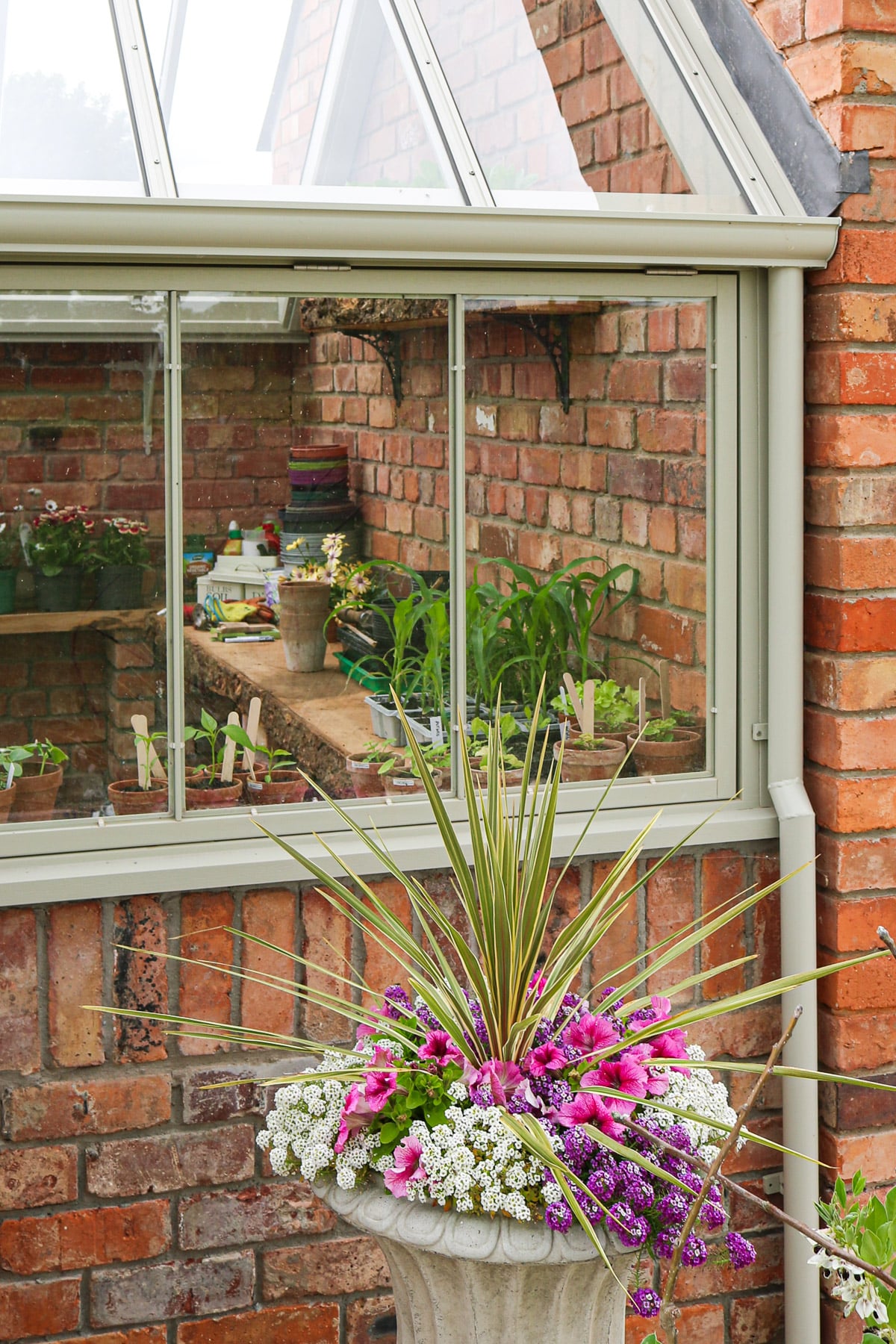
- The Strangford, our compact lean-to greenhouse, is ideal for courtyard gardens, side returns, or as a dedicated propagation house adjacent to a garage or outbuilding. Despite its smaller footprint, it maintains the same classical proportions and construction quality as our larger models.
Our design team can guide you through the options, ensuring whichever model you choose enhances both your garden and your growing experience for decades to come.
Are the Hampton greenhouse designs customisable?
Every Hampton greenhouse is thoughtfully designed for flexibility, and each model is available with either a brick or timber panel base, depending on your preference. While our four core models offer timeless style and balanced proportions, each can be further personalised to suit your space and growing ambitions.
We offer a range of standard upgrades, including:
- Extending the length with modular bays
- Additional roof opening vents
- Cold frames for extended and sheltered planting
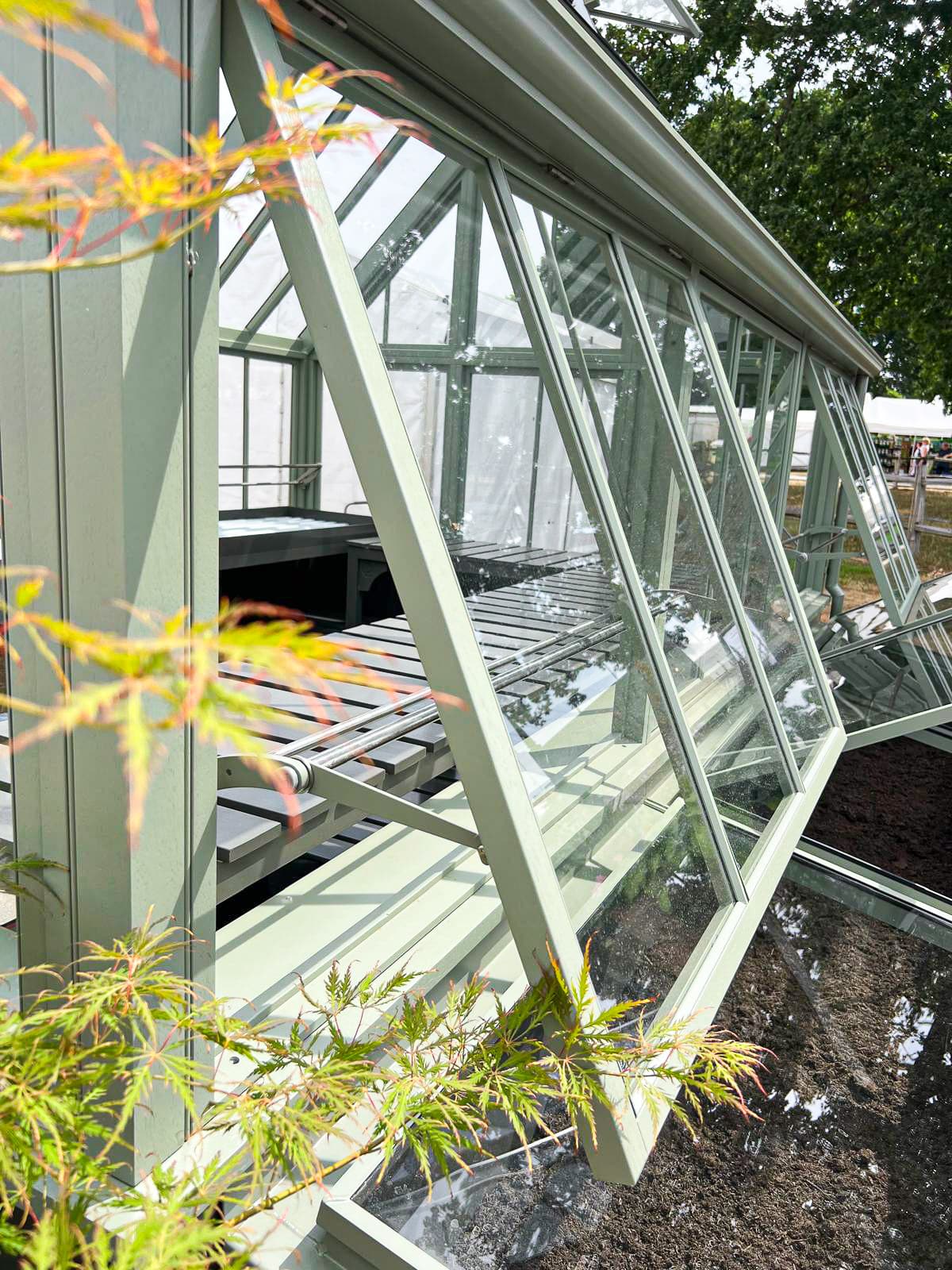
- Rod & lever window openers for single-handed ventilation
- A range of staging and plant display furniture
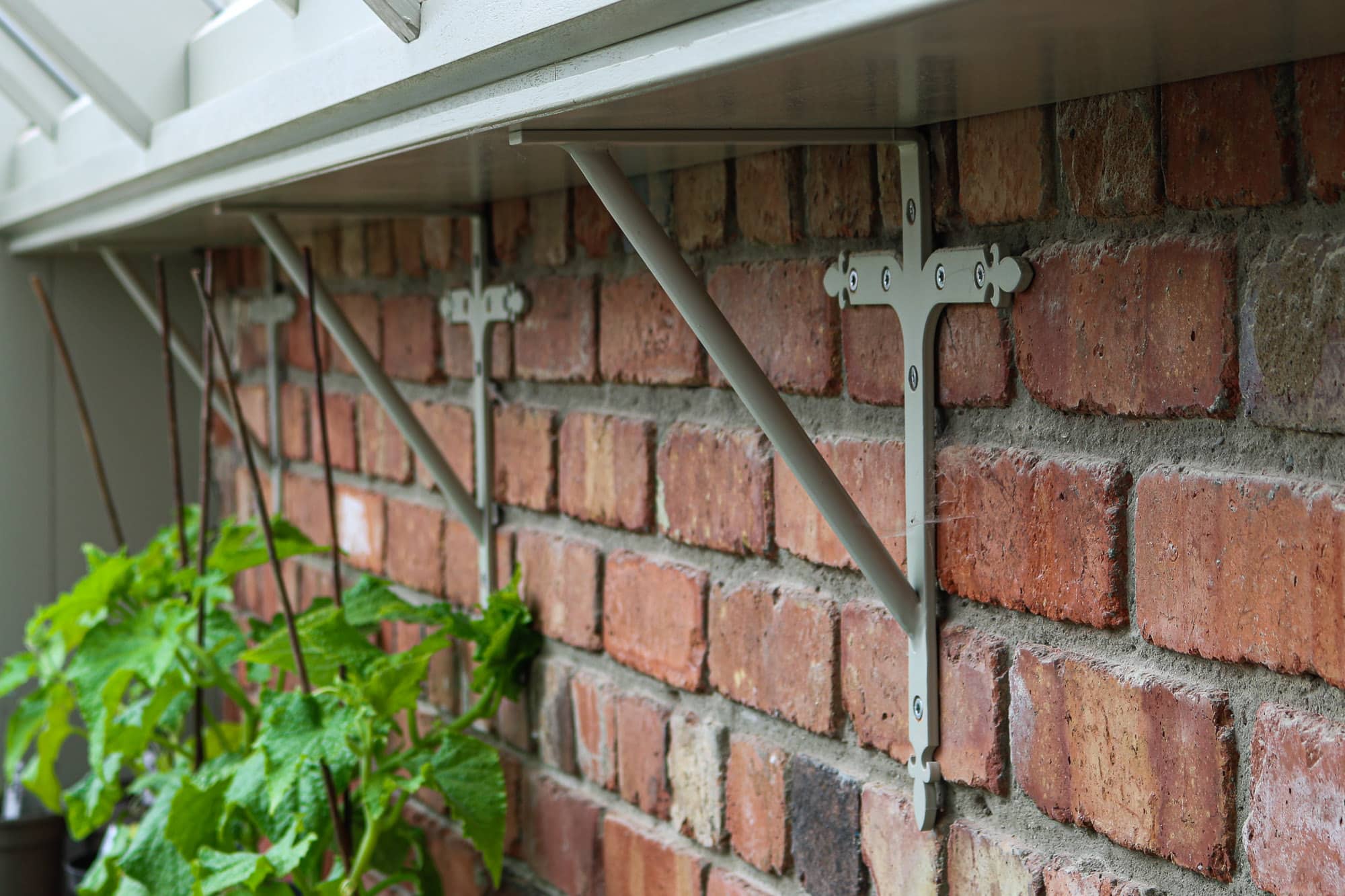
If your greenhouse is being installed against a boundary or garden wall, we can design and supply a discreet box gutter system, complete with structural brackets integrated into the greenhouse structure. This allows for clean, efficient water management while maintaining the greenhouse’s elegant form. Alternatively, if you plan to position your greenhouse against a gable wall, such as a garage or outbuilding, we can remove the gable frames and provide a flashing kit to ensure a seamless, weatherproof connection.
These options are part of our commitment to thoughtful, precision-built design, ensuring your Hampton greenhouse not only fits its setting but enhances it for years to come.
How are Hampton greenhouses ventilated?
Effective ventilation is essential to regulate temperature, humidity, and air quality, ensuring healthy plants and protecting the structure. Poor airflow can lead to condensation becoming trapped between the glass and frame, only to run down and cause staining, particularly on western red cedar.
At Hampton, we’ve designed out these issues. Our patent-pending ventilated glazing system uses a custom clip to hold each pane slightly off the timber rebate, creating a discreet air gap that allows condensation to drain down the glass and escape externally. Outside, a powder-coated aluminium trim snaps into place, replicating the traditional putty line of classic period glazing. The result? Improved airflow, superior timber protection, and easy glass replacement if the occasion should ever arise.
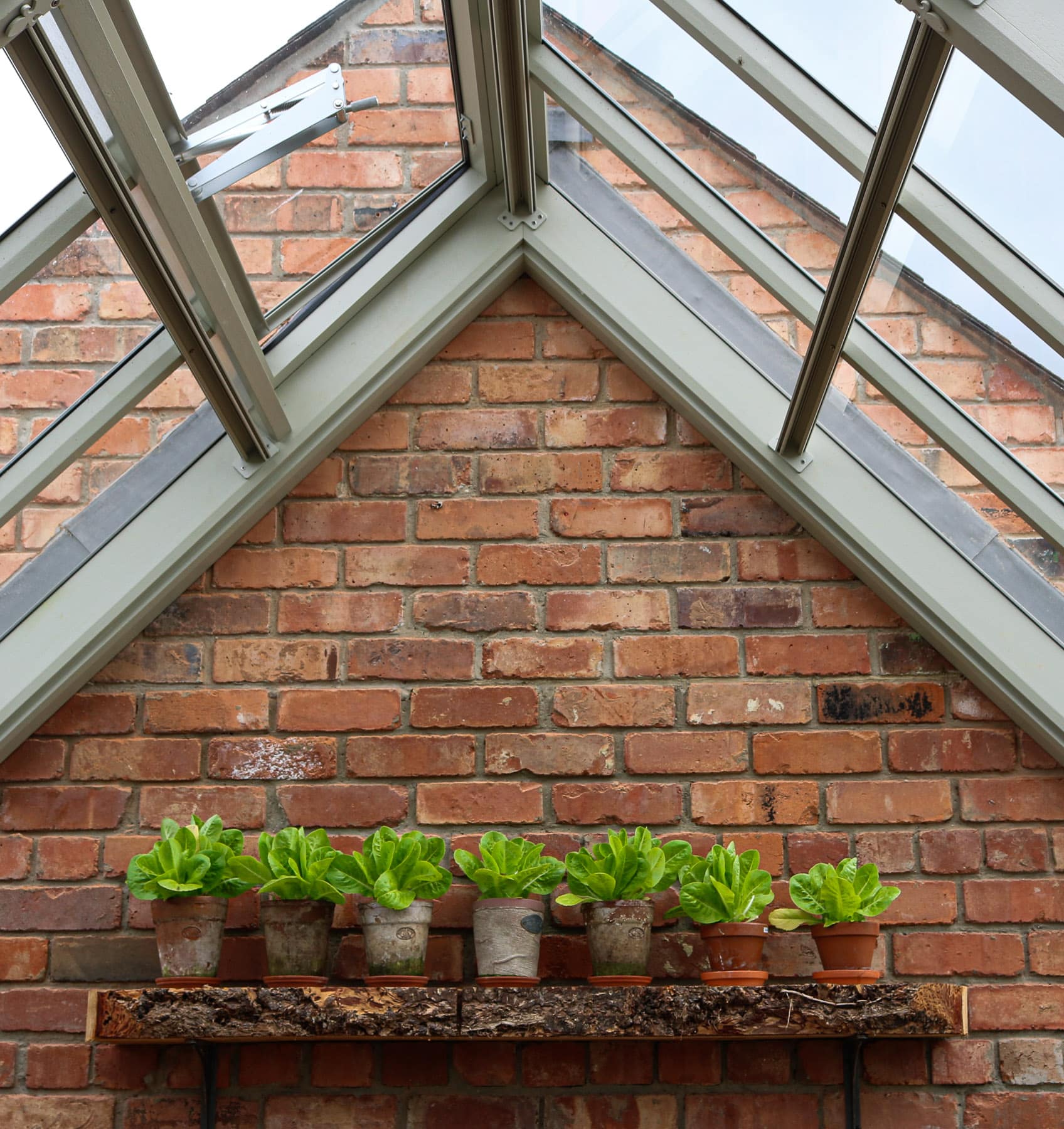
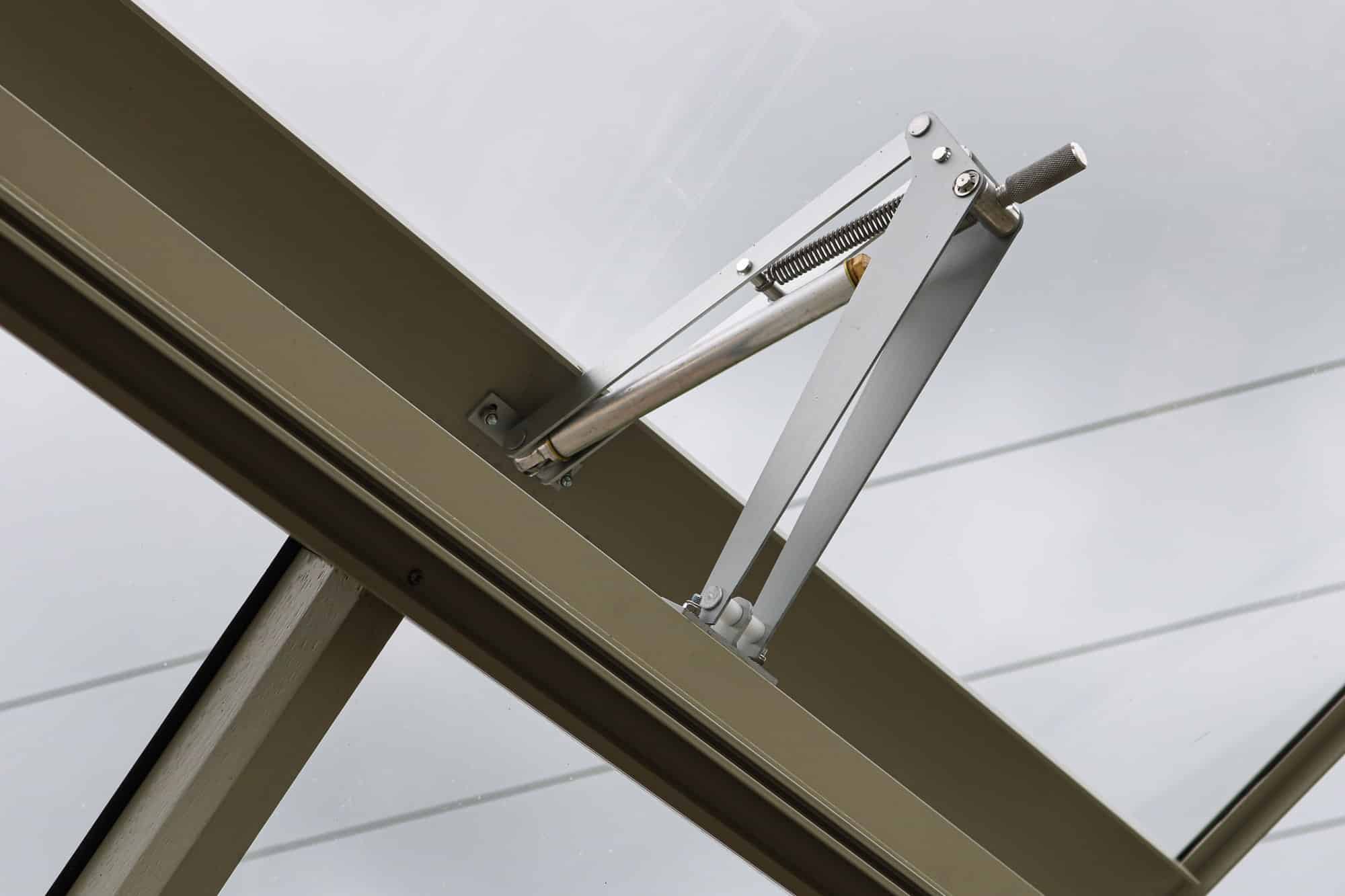
In addition, every Hampton greenhouse includes two thermostatically controlled roof vents as standard, along with four single sash push bars or an optional rod & lever window opener, ensuring cross-ventilation is both effective and effortless.
Are Hampton luxury greenhouses sustainable?
Hampton is the only timber greenhouse manufacturer in the UK using FSC-certified hardwood with a full chain of custody, meaning every piece of timber is tracked from responsibly managed forest to finished product. With this assurance, Hampton greenhouse owners can enjoy their garden knowing their structure supports sustainability.
Sustainability, traced from forest to frame. Learn more about our environmental policy here.
Why a greenhouse is called a greenhouse
The term “greenhouse” dates back to the 17th century, citing purpose-built glass structures that housed exotic plants and citrus trees brought back from warmer climates. The name simply referred to their function: a house for keeping plants green throughout the year, even during the depths of winter when the outside world lay dormant. The Victorians elevated the greenhouse to an art form, combining engineering innovation with classical proportion to create structures that were architectural statements as much as practical growing spaces.
At Hampton, we honour this tradition. The term may have humble origins, but the execution never should.
Do greenhouses need to be in the sun?
Ideally, yes. A greenhouse performs best when positioned to maximise natural light throughout the day. In the UK, a south-facing orientation is generally optimal, capturing light from sunrise to sunset and providing the warmth and brightness that most plants require to thrive. However, sunlight alone doesn’t define a successful greenhouse. The quality of glazing, ventilation, and thoughtful design play equally important roles in creating an environment where plants flourish. It’s about harnessing light intelligently, not simply chasing the brightest spot in the garden.
Do greenhouses work in winter?
The purpose of a greenhouse is to extend the growing season and protect plants from harsh conditions, so winter is when a well-designed greenhouse proves its worth. A greenhouse can maintain temperatures several degrees warmer than outside, providing a frost-free growing environment. The key is ensuring the structure itself is built to retain that warmth but remove excess moisture, which is where quality materials and construction become critical.
At Hampton, our greenhouses are crafted from thermally modified hardwood with high-performance glazing, providing natural insulation. Our patent-pending ventilated glazing system also prevents condensation build-up, protecting both timber and plants throughout the damp winter months. Combined with thermostatically controlled roof vents as standard, the greenhouse remains a balanced growing environment year-round.
Is a greenhouse considered indoor growing?
It’s more accurate to think of a greenhouse as sheltered outdoor growing, rather than indoor growing. While it is a controlled environment, it works with nature rather than attempting to replace it entirely.
True indoor growing relies entirely on artificial light and climate control. A greenhouse harnesses natural sunlight and seasonal temperature fluctuations, so its plants still experience day and night cycles with circadian changes in light intensity, while remaining sheltered from the extremes of weather, wind, and frost. The resulting plants are often hardier than those raised entirely under artificial conditions, developing stronger root systems and more robust foliage.
That said, a greenhouse does offer the control and protection typically associated with indoor growing. You can regulate temperature through heating and ventilation, manage humidity, and create microclimates suited to specific plants – all while maintaining that vital connection to natural light and the changing seasons.
Case study
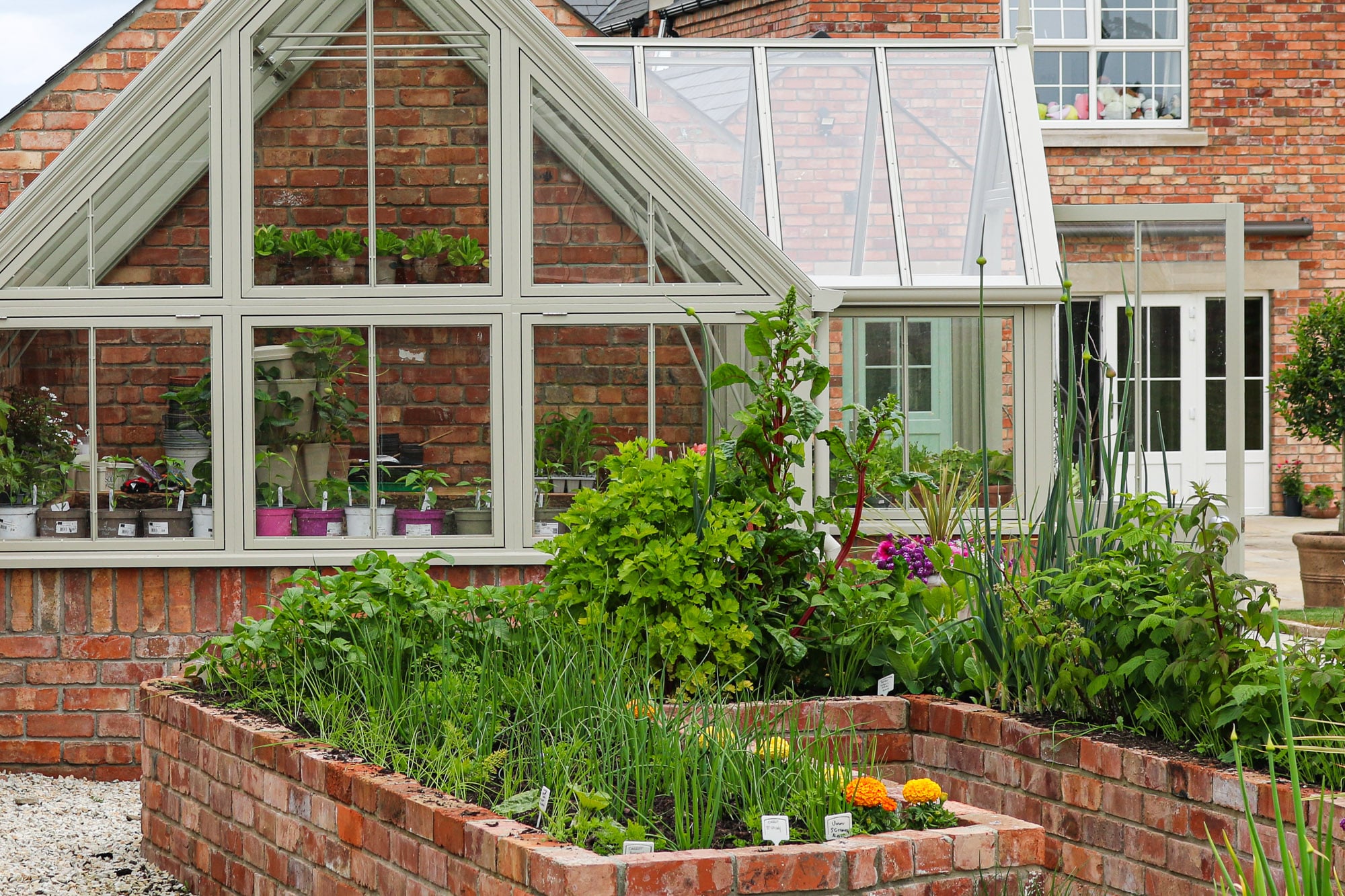
Painted wooden greenhouses delight in Donacloney
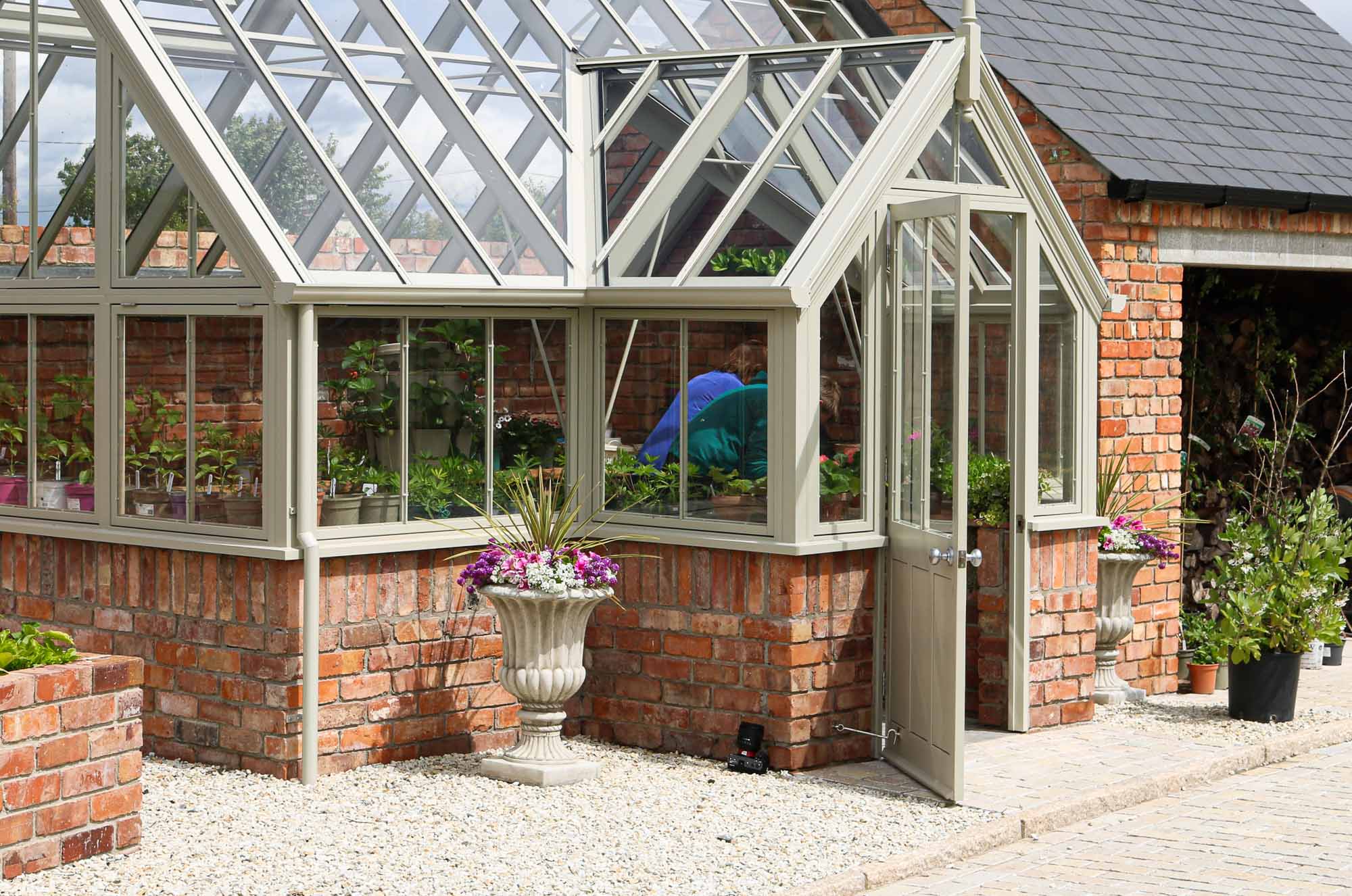
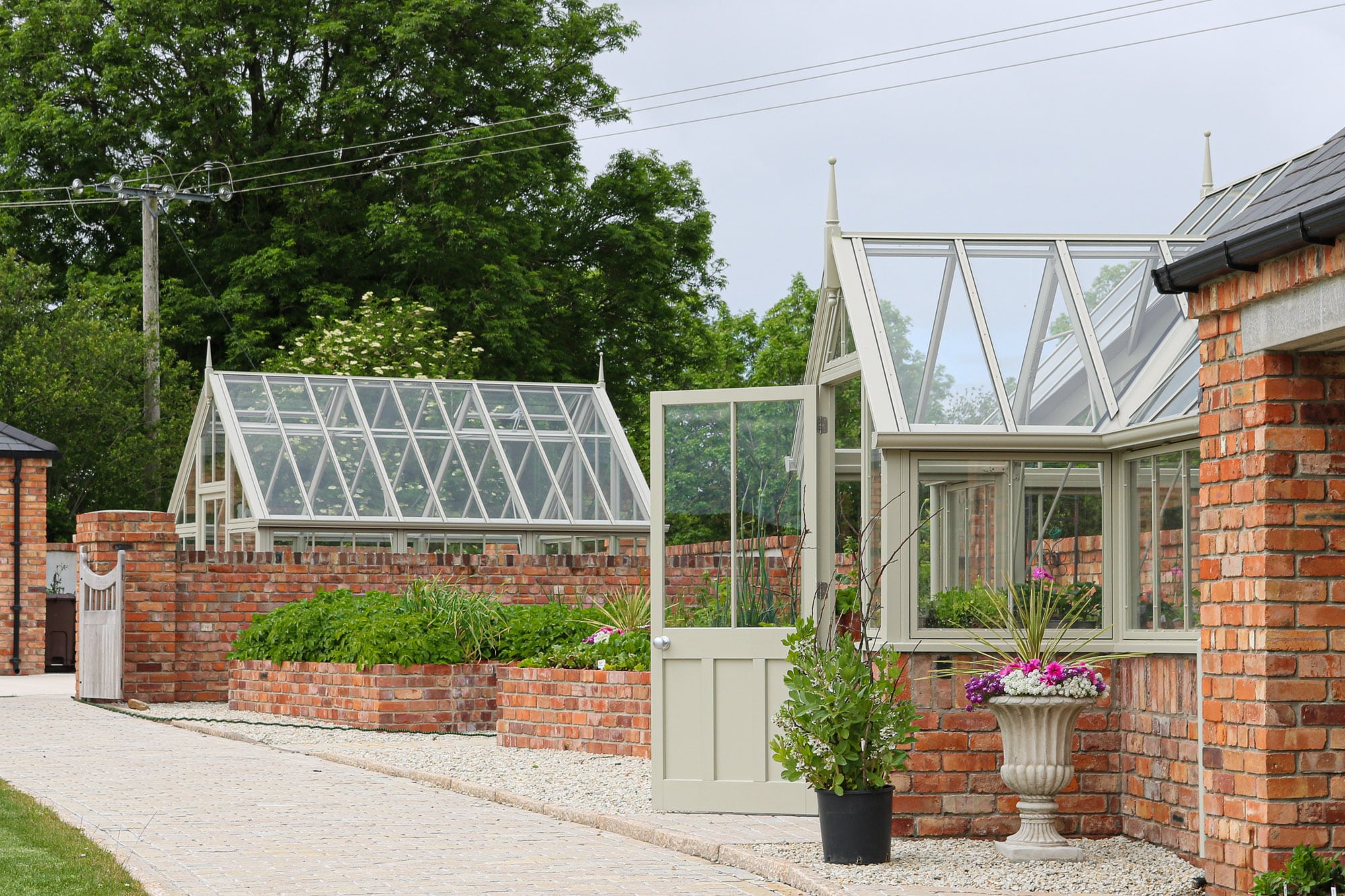
Hampton has helped make a dream come true for a semi-retired couple in County Down, installing not one but two painted wooden greenhouses in their garden.